
.jpg)
Aluda
- Director: Nana Khuskivadze
- Theatre:Vazha-Pshavela Telavi State Professional Drama Theatre
- Hosting Theatre :Nodar Dumbadze Professional Youth Theatre
- Date:
- 16 September - 20:00 hr,
By Vazha-Pshavela
Directed by Nana Khuskivadze
Set Design: Ketevani Nareklishvili
Costume Design: Ketevani Nareklishvili
Choreographer: N,A.
Composer/Musical Arrangement: Natalia Totibadze
Director’s Assistant: Makvala Dzamukashvili
Duration: 80 minutes
Genre: Drama
Cast: Giorgi Tabidze, Buka Glonti, Otar Amashukeli, Levan Gabrava, Manana Abramishvili, Ani Aminashvili, Tekla Sulakvelidze, Lekso Tsinkverashili, Lasha Tsiplashvili
Premiered on: 30/10/2025
About Performance
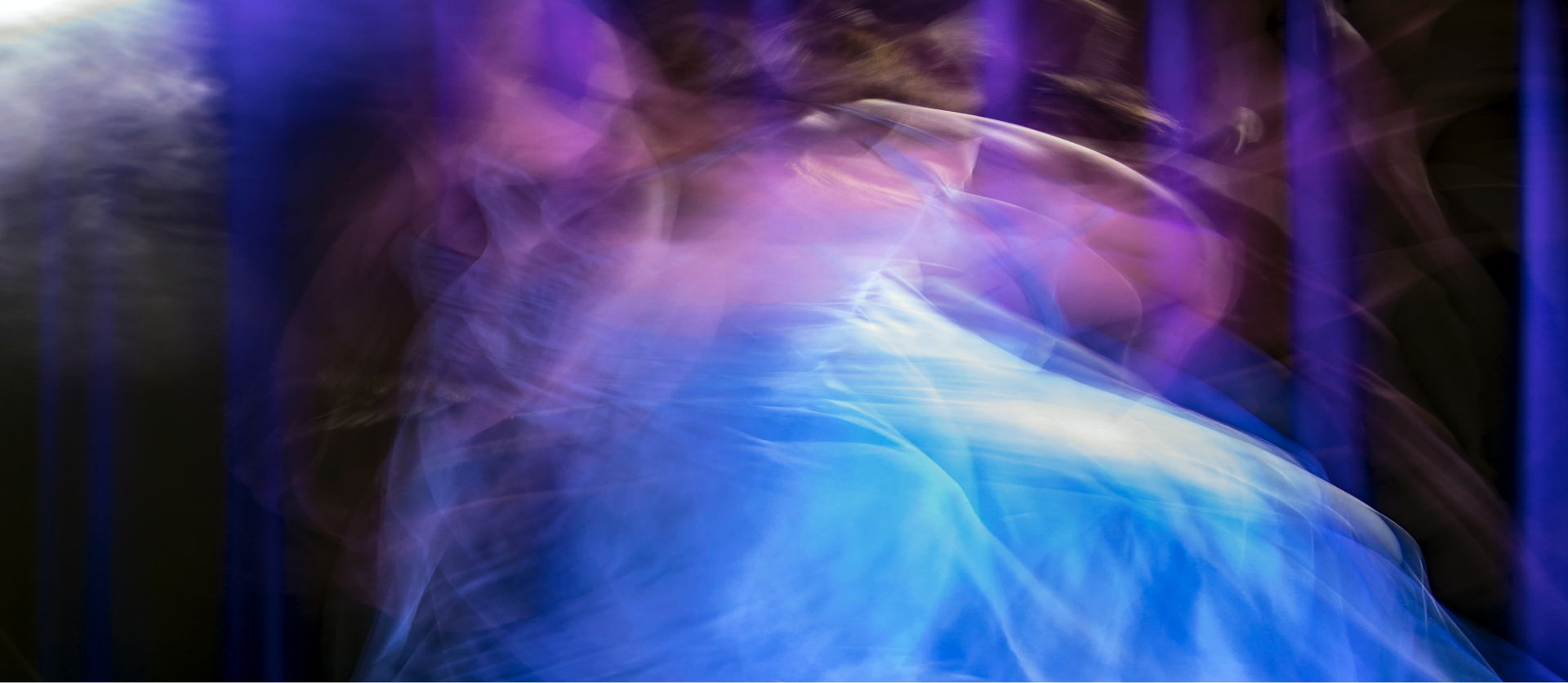
The production of “Aluda” represents a historic milestone: the first major attempt to fully translate the raw, epic power of Vazha-Pshavela’s verse onto the theatrical stage. Staged at the Telavi State Theatre—an institution that proudly bears the great poet’s name—director Nanuka Khuskivadze delivers a visionary interpretation of this immortal masterpiece through the sharp lens of contemporary dramaturgy.
At its core, the production wrestles with the ideological pillars of the original poem: the tragic confrontation between the lone individual and collective society, the friction between ancient tradition and personal conscience, and the radical rejection of tribal hostility. The narrative architecture and poetic grandeur of “Aluda Ketelauri” offer limitless horizons for theatrical reinterpretation. Witnessing Vazha’s profound wisdom revived with such high-level dramatic artistry, the Georgian audience responded with an outpouring of emotion so raw it felt as though they were experiencing the text for the very first time—a reaction that underscores the production's undeniable triumph.
It is profoundly significant that a new generation of young actors has so successfully embodied these complex, timeless archetypes. Complemented by a striking musical and artistic design, the production has enjoyed a remarkable trajectory since its premiere on October 30, 2025, touring numerous stages across Georgia to widespread critical and popular acclaim.
Press
Stylistically, Nanuka Khuskivadze’s production aligns itself with the legendary theatrical language of Robert Sturua. This aesthetic lineage is hardly surprising, given that she was—and remains—a foundational part of Sturua's artistic ecosystem for decades. This deep-seated influence reverberates through every layer of the performance: the bold scenography, the precise choreographic score, the sharp musical accents, and the stylized, rhythmic speech patterns of the characters.
The play opens with an original, mystical, ritual-like choreographic sketch crafted by Muro Gagoshidze. Synchronized black figures move in a relentless circle, collapsing from time to time. The profound metaphor embedded within this physical movement is fully unlocked only in the final epilogue. Here, the production delivers its shattering summary: for centuries, humanity has been trapped in a cyclical loop. Life is reduced to an existential marathon where even the strongest eventually collapse. Ultimately, the performance lays bare a haunting truth—that within this grand design, the death and misery of a single individual fade into insignificance, for we are all, regardless of status or the coefficient of our dignity, merely "children of death."
Excerpt from an article by theater expert Lasha Chkhartishvili https://www.theatrelife.ge/nuitkvi
The Telavi Professional State Drama Theatre named after Vazha-Pshavela stands as the oldest theatrical institution in Georgia. Its origins are deeply intertwined with the court of King Erekle II and the dramatic socio-political shifts of the 18th century, a period when regular performances in Telavi transformed the stage into a cornerstone of societal education and civic enlightenment. Though the theater naturally evolved across centuries, its core mission remained unyielding: serving as a vital cultural sanctuary dedicated to enriching Georgian audiences through stage art rooted in ancient traditions.
Along its historic trajectory, foundational figures such as Gabriel Maiori, Davit Aleksi-Meskhishvili, and Ivane Machabeli left indelible marks on its heritage. Although the catastrophic Battle of Krtsanisi in 1795 silenced Telavi’s theatrical voice for fifty-five years, the cultural hub eventually awakened to a new era of continuous development. A major turning point occurred in 1866 with a landmark staging of Giorgi Eristavi’s “The Divorce,” which paved the way for the formation of a permanent acting troupe.
The 19th century breathed vibrant new life into the Kakhetian capital, drawing pioneering cultural titans like Barbare Jorjadze, Lado Meskhishvili, Vaso Abashidze, and Aleksandre Kazbegi to the Telavi stage. Influenced by contemporary European educational movements, the theater actively championed translated dramas, culminating in the early 20th century with acclaimed productions of Shakespearean masterpieces like “Othello” and “The Taming of the Shrew,” alongside the creation of an accompanying amateur orchestra. Officially granted State Theatre status in 1931, the institution permanently cemented its role as a premier creative arena, launching generations of visionary directors and legendary actors to national prominence.
Theatre Director: Zakaria Razmadze
Artistic Director: Nana Khuskivadze
Contact Person: Sopio Arsenishvili (Head of the Literary Department)
Contact Information: +995 599 580 480 / sophio.arsenishvili@tesau.edu.ge
.jpg)
Gallery
.jpg)
.jpg)
.jpg)
.jpg)
.jpg)
.jpg)
.jpg)
.jpg)
.jpg)
.jpg)